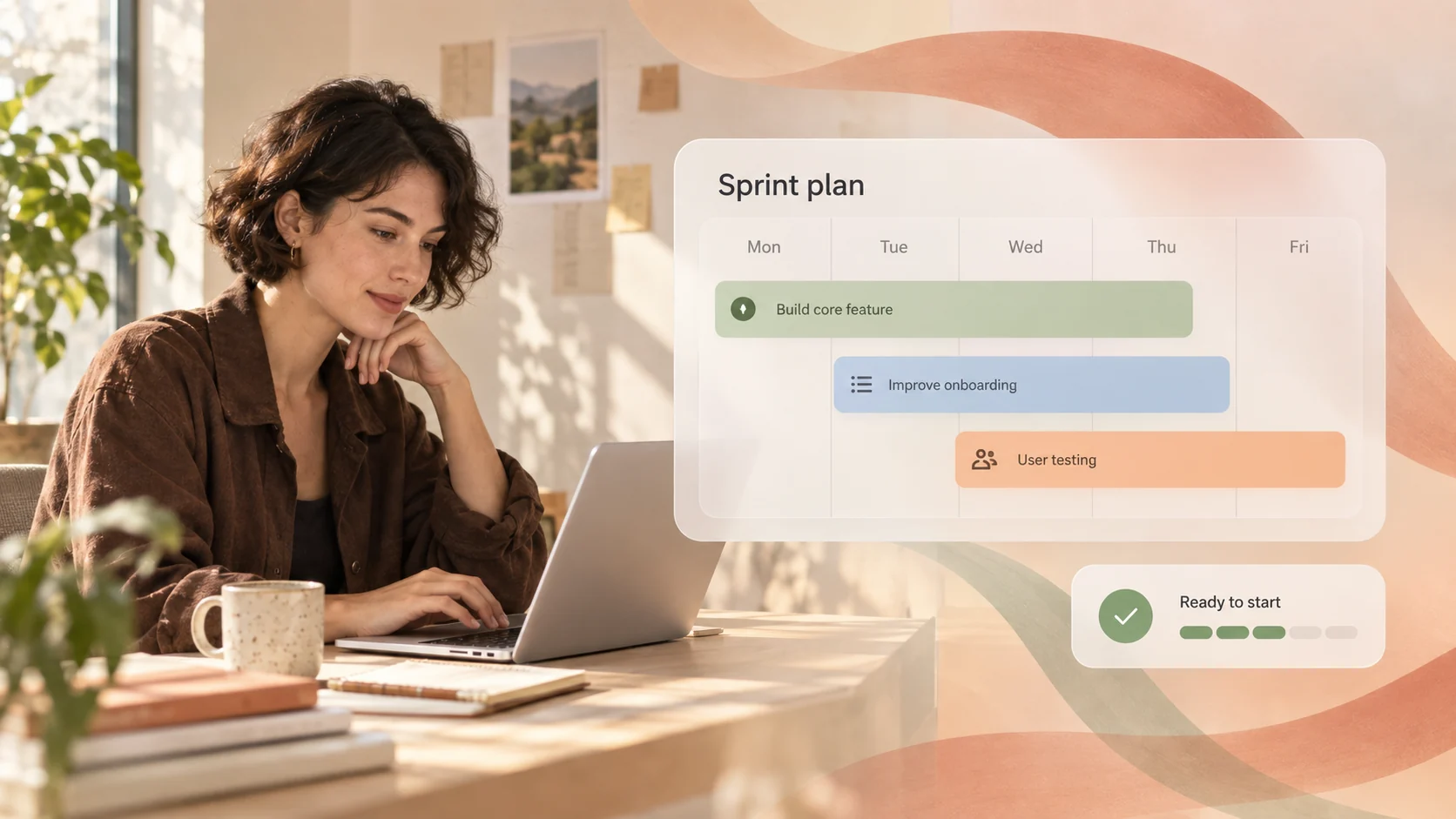
Introduction: Why Agile Sprints Transform Team Productivity
Agile sprints have revolutionized how high-performing teams deliver software and manage projects. Originally developed as part of the Scrum framework, sprints provide a structured approach to breaking down complex work into manageable, time-boxed iterations that consistently deliver value to customers.
The challenge many teams face isn't understanding sprint methodology—it's finding tools that seamlessly support the entire sprint lifecycle from planning to retrospective. Traditional project management tools often treat sprints as an afterthought, forcing teams to adapt their processes to rigid software limitations.
FortyOne changes this by building sprint management into the core of the platform. When you plan and execute sprints in FortyOne, you get native support for short, time-boxed periods that help your team "deliver value consistently" while maintaining visibility, accountability, and momentum throughout each iteration.
Understanding Agile Sprints in Modern Development
What Makes Sprints Effective
Successful sprints share several key characteristics that differentiate them from traditional project phases:
Time-Boxed Focus:
- Fixed duration (typically 1-4 weeks)
- Clear start and end dates
- Protected scope during execution
- Regular cadence and rhythm
Value-Driven Planning:
- Commitment to specific deliverables
- Customer-focused outcomes
- Measurable progress indicators
- Stakeholder visibility and feedback
Team Collaboration:
- Shared responsibility for sprint success
- Daily synchronization and communication
- Continuous improvement through retrospectives
- Cross-functional coordination
FortyOne embraces these principles while providing the flexibility modern teams need. The platform recognizes that different teams may prefer different terminology—you can customize "Sprints" to "Iterations," "Cycles," or any term that fits your organization's culture and process.
How FortyOne Enhances Traditional Sprint Management
Traditional sprint tools often create friction between planning and execution. FortyOne eliminates this by:
- Integrated Planning: Seamlessly move Tasks from backlog to sprint during planning sessions
- Visual Progress Tracking: Real-time sprint boards show work status at a glance
- Automated Metrics: Built-in burndown charts and velocity tracking without manual updates
- Flexible Scope Management: Easy handling of scope changes and unfinished work
- Team-Specific Views: Each team manages their own sprints while maintaining portfolio visibility
Creating and Configuring Sprints in FortyOne
Setting Up Your First Sprint
Creating a sprint in FortyOne is designed to capture all the essential planning information while keeping the process fast and intuitive. Here's how to establish an effective sprint:
-
Access Sprint Creation: Navigate to your team's sprint view or use the quick-create options from the main navigation.
-
Configure Sprint Basics: When the "New Sprint" dialog appears, define the fundamental sprint parameters:
- Sprint Name: Use clear, memorable names like "Q1 Mobile Features Sprint 3" or "User Authentication Sprint"
- Team Assignment: Select the team that owns this sprint (each sprint belongs to one team)
- Sprint Goal: Define the high-level objective this sprint aims to achieve
- Duration: Set start and end dates that align with your team's sprint cadence
-
Link to Strategic Objectives: Connect your sprint to broader organizational goals by linking to relevant Objectives. This ensures sprint work contributes to strategic outcomes and provides context for prioritization decisions.
-
Initial Capacity Planning: Consider team availability, holidays, and other commitments when setting sprint scope expectations.
Sprint Configuration Best Practices
Consistent Timing:
- Maintain regular sprint duration (most teams find 2-week sprints optimal)
- Start sprints on the same day of the week to establish rhythm
- Account for holidays and team events in sprint planning
- Allow buffer time for sprint ceremonies and planning
Clear Goals:
- Write sprint goals that are specific and measurable
- Ensure goals align with current Objectives and Key Results
- Make goals understandable to stakeholders outside the development team
- Use goals to guide scope decisions during the sprint
Strategic Alignment:
- Link sprints to relevant Objectives to maintain strategic focus
- Use Objective linkage to prioritize backlog items for the sprint
- Communicate how sprint outcomes contribute to broader company goals
- Track sprint contribution to Key Result progress
Managing Sprint Lifecycle
Throughout the sprint lifecycle, FortyOne provides tools to adapt to changing circumstances:
Pre-Sprint Planning:
- Review team velocity from previous sprints
- Assess backlog item priorities and dependencies
- Confirm team availability and capacity
- Prepare sprint goal and success criteria
Sprint Execution:
- Monitor daily progress through sprint boards
- Track blockers and impediments
- Adjust scope if necessary while protecting the sprint goal
- Facilitate daily standups with real-time progress data
Sprint Completion:
- Review completed work against sprint goal
- Handle unfinished Tasks (move to backlog or next sprint)
- Capture lessons learned and improvement opportunities
- Update team velocity metrics for future planning
Planning Work for Your Sprint
Building the Sprint Backlog
Effective sprint planning transforms a prioritized product backlog into a committed set of Tasks that your team can realistically complete within the sprint timeframe. FortyOne supports multiple approaches to sprint backlog creation:
Drag-and-Drop Planning: Tasks can be "added to Sprints during a planning phase or dragged from a backlog" directly into the sprint. This visual approach helps teams:
- Quickly assess task complexity and dependencies
- Balance different types of work (features, bugs, technical debt)
- Visualize team capacity against planned scope
- Make real-time adjustments during planning sessions
Backlog Prioritization:
- Use task priority levels to guide sprint selection
- Consider task dependencies and technical prerequisites
- Balance new features with maintenance work
- Include stakeholder priorities and business value
Capacity-Based Planning:
- Review team velocity from recent sprints
- Account for team member availability and commitments
- Consider task complexity and effort estimates
- Leave buffer capacity for unexpected work and blockers
Creating Tasks During Sprint Planning
FortyOne supports dynamic task creation during planning sessions, allowing teams to:
Break Down Large Items:
- Decompose epics into sprint-sized Tasks during planning
- Create Sub-Tasks for complex features that need detailed tracking
- Add technical Tasks for infrastructure and architecture work
- Define acceptance criteria and implementation details
Capture New Requirements:
- Add newly discovered Tasks that support the sprint goal
- Create spike Tasks for research and investigation work
- Document technical debt items that impact sprint deliverables
- Include cross-team dependencies and integration work
Sprint Planning Best Practices
Collaborative Planning:
- Include all team members in sprint planning sessions
- Encourage discussion of task complexity and dependencies
- Ensure shared understanding of acceptance criteria
- Confirm technical approach and implementation strategy
Realistic Commitment:
- Base sprint scope on team velocity and historical data
- Include time for code review, testing, and deployment
- Account for meetings, ceremonies, and administrative work
- Plan for learning time on new technologies or domains
Clear Definition of Done:
- Establish task completion criteria before sprint starts
- Include quality gates like code review and testing
- Define deployment and release requirements
- Ensure documentation and knowledge sharing standards
- Plan together
Choose a goal and a realistic scope.
- Work visibly
Keep tasks, blockers, and changes up to date.
- Review and learn
Inspect the outcome and improve the next cycle.
Mastering the Sprint Board
Visual Work Management with Kanban-Style Boards
The sprint board is where daily execution happens, and FortyOne provides a powerful Kanban-style interface that makes work status immediately visible to everyone on the team. Each task appears as a card in status columns, creating a visual representation of sprint progress.
Board Column Configuration: Teams can customize their sprint board columns to match their specific workflow:
- Standard Flow: To Do → In Progress → Code Review → Testing → Done
- Development Flow: Backlog → Development → Review → QA → Deployment → Done
- Custom Workflow: Adapt column names and stages to match your team's unique process
Real-Time Progress Updates: Team members can "drag and drop Tasks between status columns to update their progress," making status updates natural and immediate. This visual approach provides several benefits:
- Instant visibility into what everyone is working on
- Clear identification of bottlenecks and blockers
- Natural workflow enforcement and process compliance
- Reduced need for status meetings and progress reports
Managing Work During Sprint Execution
Daily Workflow Management: The sprint board supports the daily rhythm of agile development:
Morning Standup:
- Review board status to identify blockers and dependencies
- See which Tasks moved forward since yesterday
- Identify potential bottlenecks in Review or Testing columns
- Coordinate cross-team dependencies and handoffs
Continuous Updates:
- Move Tasks as work progresses throughout the day
- Add comments and updates directly on task cards
- Flag blockers and impediments for team visibility
- Update task estimates and remaining work
End-of-Day Review:
- Assess daily progress toward sprint goal
- Identify Tasks at risk of not completing
- Plan next-day priorities and focus areas
- Communicate progress to stakeholders
Advanced Board Features
Explore additional board controls
Filtering and Focus:
- Filter board by assignee to see individual workloads
- Filter by priority to focus on critical path items
- Use labels to highlight different types of work
- Show/hide completed Tasks to reduce visual clutter
Team Collaboration:
- Comment directly on task cards for contextual discussion
- @mention team members for notifications and coordination
- Attach files and documentation to relevant Tasks
- Track task history and changes over time
Workload Visualization:
- See team member allocation across different Tasks
- Identify overloaded or underutilized team members
- Balance work distribution during the sprint
- Plan pair programming and knowledge sharing opportunities
Tracking Sprint Progress and Performance
Real-Time Sprint Metrics
FortyOne automatically tracks sprint progress through multiple metrics and visualizations that help teams stay on course and identify issues early:
Sprint Progress Bar: A visual indicator shows overall sprint completion as a percentage, calculated based on:
- Number of Tasks completed vs. total Tasks in sprint
- Task points or effort estimates if your team uses them
- Weighted progress based on task priority levels
- Real-time updates as Tasks move to Done status
Status Distribution Analytics: Track how many Tasks are in each column with statistics for each status:
- To Do: Tasks not yet started (potential capacity for new work)
- In Progress: Active work items (identify if too many are in progress simultaneously)
- Review/Testing: Tasks awaiting validation (potential bottleneck identification)
- Done: Completed work (progress toward sprint goal)
Burndown Chart Visualization: Monitor sprint velocity and predict completion likelihood:
- Daily tracking of remaining work vs. time
- Comparison to ideal burndown trajectory
- Early warning indicators for scope or timeline risks
- Historical pattern analysis for future sprint planning
Sprint Health Monitoring
Scope Management:
- Track scope changes and additions during the sprint
- Monitor impact of new Tasks on sprint goal achievement
- Identify when scope adjustments are necessary
- Maintain transparency about sprint commitment changes
Blocker and Risk Tracking:
- Flag Tasks that are blocked or at risk
- Track blocker resolution time and impact
- Identify recurring impediments that affect team velocity
- Escalate persistent blockers to stakeholders
Team Performance Insights:
- Monitor individual and team workload distribution
- Identify collaboration patterns and knowledge sharing opportunities
- Track task completion velocity throughout the sprint
- Analyze factors that contribute to successful sprints
Completing and Reviewing Sprints
Sprint Closure Process: When a sprint reaches its end date, FortyOne provides structured support for sprint closure:
Unfinished Work Management: Unfinished Tasks can be moved back to the backlog or into the next sprint, reflecting typical agile workflow practices:
- Return to Backlog: Tasks that don't align with upcoming priorities
- Move to Next Sprint: Tasks that are partially complete or still relevant
- Split Tasks: Break down incomplete Tasks into smaller, actionable items
- Document Learnings: Capture why Tasks weren't completed for future planning
Sprint Review Preparation:
- Generate sprint summary reports showing completed vs. planned work
- Compile demo materials for stakeholder review
- Document achievements and challenges encountered
- Prepare metrics and insights for retrospective discussion
Retrospective Support:
- Access historical sprint data for pattern analysis
- Review team velocity trends and improvement opportunities
- Identify successful practices to continue in future sprints
- Plan action items for process improvement
Measuring Sprint Success and ROI
Key Performance Indicators for Sprint Management
Delivery Metrics:
- Sprint Goal Achievement Rate: Percentage of sprints that achieve their stated goal
- Scope Completion Rate: Percentage of planned Tasks completed per sprint
- Velocity Consistency: Variation in team velocity across multiple sprints
- Cycle Time: Average time for Tasks to move from start to completion
Quality Indicators:
- Defect Escape Rate: Bugs found after sprint completion
- Rework Percentage: Tasks requiring significant changes after completion
- Technical Debt Accumulation: Tracking of shortcuts and technical compromises
- Customer Satisfaction: Feedback on delivered features and functionality
Team Performance Metrics:
- Sprint Burndown Accuracy: How closely actual progress matches predicted burndown
- Blocker Resolution Time: Average time to resolve impediments
- Cross-Team Collaboration: Frequency and effectiveness of coordination
- Retrospective Action Item Completion: Follow-through on improvement initiatives
Business Impact Measurement
Value Delivery Tracking:
- Connect sprint deliverables to business metrics and outcomes
- Measure customer adoption of features delivered in sprints
- Track revenue or cost impact of sprint deliverables
- Monitor user engagement with new functionality
Time-to-Market Improvement:
- Measure feature delivery time from concept to customer
- Track reduction in release cycle time through sprint adoption
- Calculate impact of sprint discipline on overall project timelines
- Compare delivery predictability before and after sprint implementation
Team Satisfaction and Retention:
- Survey team members on sprint process satisfaction
- Monitor team retention and engagement levels
- Track professional development and skill growth within sprint teams
- Measure work-life balance and sustainable pace maintenance
Conclusion: Transforming Agile Delivery with FortyOne Sprints
Implementing effective sprint management with FortyOne transforms how teams approach agile delivery. By providing integrated tools for sprint planning, execution tracking, and continuous improvement, FortyOne helps teams move beyond basic sprint mechanics to achieve consistent, high-quality delivery.
The key benefits of FortyOne sprint management include:
- Predictable Delivery: Consistent sprint rhythm and velocity tracking enable reliable forecasting
- Visual Transparency: Real-time sprint boards provide immediate visibility into work status
- Strategic Alignment: Sprint-to-Objective linking ensures tactical work supports strategic goals
- Continuous Improvement: Built-in metrics and retrospective support drive process refinement
- Team Engagement: Collaborative planning and visible progress build team ownership and motivation
Ready to transform your agile delivery? Start your first sprint in FortyOne and experience how integrated sprint management drives consistent value delivery.